Suha Abu Ghoush,
Psychologist Suha Abu Ghoush,
Psychologist in Amman,
Best psychologist in Amman, Jordan,
Psychological therapy services in Jordan,
Psychologist consultant in Amman,
Personal psychological therapy in Jordan,
Psychological therapy for adults and children in Amman,
Individual and family psychological consultations in Jordan,
Improving mental health in Amman,
Specialized psychological therapy center in Jordan,
Best psychological therapy services in Amman,
Psychological therapy experts in Jordan,
Best psychologist in Amman, Jordan,
Soha Abu Ghoush, Psychologist,
Best psychologist,
Amman, Jordan,
Psychological therapy,
Depression,
Anxiety,
Family relationships,
Mental health,
Interpersonal communication,
Cognitive behavioral therapy,
Psychological consultation,
Clinical psychology expert in Jordan,
Best depression treatment in Amman, Jordan,
Specialized in treating anxiety and stress in Jordan,
Best consultant for family relationships in Amman, Jordan,
Outstanding psychological treatment for emotional disorders in Jordan,
Best consultant for mental health in Amman, Jordan,
Specialized in treating depression caused by daily stresses in Jordan,
Devoted psychologist in providing psychological support for children in Jordan,
Best treatment for depression in teenagers in Amman, Jordan,
Specialized in treating psychological pressures for youth in Jordan,
Expert in treating psychological disorders for children and teenagers in Amman, Jordan,
Best treatment for depression with positive relationships in Jordan,
Specialized in treating anxiety and panic for adults in Amman, Jordan,
Outstanding psychological treatment for personality disorders in Jordan,
Expert in treating depression caused by marital life in Amman, Jordan,
Best consultant for group psychological therapy in Jordan,
Specialized in treating depression with cognitive stimulation in Amman, Jordan,
Expert in treating depression in the elderly in Jordan,
Best treatment for social anxiety in Amman, Jordan,
Specialized in treating psychological pressures for patients with chronic diseases in Jordan,
Psychological therapy,
Psychological counseling,
Psychological diagnosis,
Depression,
Psychological anxiety,
Panic attacks,
Marital counseling,
Family counseling,
Overcoming psychological problems,
Workshops in mental health,
Cognitive behavioral therapy,
Knowledge therapy,
Modern psychological therapy,
Guidance methods,
Psychological analysis,
Professional relationship,
Improving psychological quality of life,
Awareness of the importance of psychological care,
Local community,
Family relationships,
Psychological disorders,
Psychological challenges,
Counseling therapy,
Family therapy,
Mental health,
Psychological awareness,
Mental health awareness,
Individual consultations,
Psychological guidance,
Psychological support,
Personal problems,
Personal improvement,
Psychological positivity,
Emotional health,
Personal relationships,
Emotional stability,
Effective communication,
Psychological care,
Behavioral analysis,
Group therapy,
Clinical depression,
Functional depression,
Bipolar disorder,
Female depression,
Teen depression,
Elderly depression,
Child mental health,
Teen mental health,
Youth mental health,
Adult mental health,
Elderly mental health,
Healthy emotional relationships,
Marital communication,
Family communication,
Strengthening family relationships,
Psychological shock,
Recovery from shock,
Mental health in the workplace,
Self-awareness,
Positive life,
Community mental health,
Psychological Specialist
Healthy social relationships,
Self-improvement,
Career counseling,
Mental health for immigrants,
Mental health for minorities,
Work-related depression,
Work-related anxiety,
Work-life balance,
Addiction and recovery,
Domestic violence,
Psychological transformation,
Relationship with the past and present,
Mental health for addicts,
Mental health for the homeless,
Psychological therapy for children with special needs,
Psychological therapy for Parkinson's disease,
Psychological therapy for traumatic brain injuries,
Postpartum depression,
Communication with children,
Mental health for children with chronic illnesses,
Psychological therapy for victims of sexual violence,
Psychological therapy for abused victims,
Depression among refugees,
Emotional communication with children and adolescents,
Seasonal depression,
Communication with individuals with autism spectrum disorder,
Psychological therapy for terrorism victims,
Psychological therapy for individuals with autism,
Psychological therapy for war victims,
Mental health for undocumented immigrants,
Depression in the elderly,
Psychological therapy for crime victims,
Mental health for victims of persecution,
Psychological therapy for victims of domestic violence,
Psychological therapy for pilgrims and Hajj pilgrims,
Mental health for individuals with mental disorders,
Psychological therapy for individuals with biological depression,
Communication with mentally disabled children,
Mental health for individuals dependent on technology,
Mental health for children facing bullying,
Psychological therapy for individuals facing life pressures,
Psychological Specialist
Healthy social relationships,
Borderline personality disorder,
Eating disorder,
Anxiety disorder,
Obsessive-compulsive disorder,
Cognitive-behavioral therapy,
Internet addiction,
Video game addiction,
Drug addiction,
Alcohol addiction,
Psychological therapy,
Mental health,
Behavioral change,
Negative thinking,
Cognitive thinking,
Skills training,
Positive behaviors,
Cognitive response,
Behavioral analysis,
Behavioral rehabilitation,
Knowledge enhancement,
Self-understanding,
Self-learning,
Awareness improvement,
Life skills learning,
Positive thinking strategies,
Goal setting,
Self-learning and personal growth,
Integrated psychological therapy,
Contemporary psychological therapy,
Modern therapy techniques,
Personalized therapy approach,
Inhalation therapy,
Direct thinking techniques,
Functional analytical therapy,
Physical therapy,
Biological therapy,
Behavior analysis,
Direct behavioral therapy,
Positive behavior,
Integrated cognitive-behavioral therapy,
Suggestive behavioral therapy,
Behavioral pattern change,
Compensatory response,
Behavioral movement,
Cognitive benefit,
Behavior evaluation,
Psychological Specialist
Knowledge analysis,
Direct cognitive therapy,
Cognitive skills development,
Positive thinking enhancement,
Memory and attention improvement,
Utilizing rapid learning techniques,
Learning mental strategies,
Emotional intelligence development,
Contemporary psychological therapy,
Integrated psychological therapy,
Modern psychological therapy techniques,
Critical review psychological therapy,
Client-therapist relationship development,
Deep brain stimulation therapy,
Logical thinking psychological therapy,
Behavioral dialogue,
Behavioral restructuring,
Advanced behavioral therapy,
Behavioral training,
Flexible response,
Cognitive change,
Goal-focused cognitive-behavioral therapy,
Dealing with objections,
Behavioral counseling,
Creative thinking,
Mental plan analysis,
Active learning,
Mental skills development,
Flexible thinking therapy,
Self-awareness enhancement,
Memory and focus improvement,
Cognitive perception,
Technology-based psychological therapy,
Meditation therapy,
Electrical stimulation therapy,
Online client-therapist relationship psychological therapy,
Online psychological training,
Mind games therapy,
Guided mental stimulation,
Modern techniques psychological therapy,
Cognitive-behavioral therapy for children,
Behavior improvement techniques,
Behavioral stimulation training,
Cognitive response to stimulation,
Negative thought processing,
Cognitive-behavioral therapy for anxiety,
Cognitive-behavioral therapy for depression,
Cognitive-behavioral therapy for eating disorders,
Social relationship training,
Cognitive-behavioral therapy for addiction,
Psychological Specialist
Self-knowledge enhancement,
Self-awareness improvement,
Knowledge skills development,
Cognition recognition therapy,
Thought and belief analysis,
Self-awareness development,
Cognitive solution enhancement,
Constructive thinking techniques,
Self-awareness and self-change enhancement,
Brainwave psychological therapy,
Virtual reality psychological training,
AI-assisted cognitive therapy,
Visual cognitive stimulation,
Transcranial magnetic stimulation therapy,
Neural audiotapes psychological therapy,
Quantitative data analysis therapy,
Enhanced reality psychological training,
Cognitive-behavioral therapy for bipolar disorder,
Cognitive-behavioral therapy for acute mental disorders,
Behavioral relaxation techniques,
Cognitive-behavioral therapy for social anxiety,
Cognitive-behavioral therapy for general anxiety,
Cognitive-behavioral therapy for phobias,
Cognitive-behavioral therapy for major depression,
Cognitive-behavioral therapy for obsessive-compulsive disorder,
Cognitive-behavioral therapy for anger management,
Cognitive-behavioral therapy for emotional expression,
Cognitive therapy for internet addiction,
Thinking and feeling relationship analysis,
Cognitive therapy for improving personal relationships,
Memory and attention improvement with cognitive therapy,
Cognitive therapy for stress reduction,
Cognitive therapy for decision-making enhancement,
Cognitive therapy for reducing depression and anxiety,
Improving mental health with cognitive-behavioral therapy,
Remote sensing psychological therapy,
Virtual reality exposure therapy for phobias,
Biotechnological psychological therapy,
Social robotics psychological therapy,
Virtual reality gaming psychological therapy,
Smartphone apps psychological therapy,
Enhancing social skills with augmented reality,
Technology-supported human development psychological therapy,
Cognitive-behavioral therapy for acute depression,
Cognitive-behavioral therapy for panic disorder,
Cognitive-behavioral therapy techniques for coping with fears,
Cognitive-behavioral therapy for drug addiction,
Cognitive-behavioral therapy for psychological trauma,
Cognitive-behavioral therapy for troubled emotional relationships,
Cognitive-behavioral therapy for sleep disorders,
Cognitive-behavioral therapy for anger management,
Cognitive-behavioral therapy for post-traumatic stress disorder,
Flexible response training techniques in cognitive-behavioral therapy,
Confidence enhancement with cognitive therapy,
Stress and anxiety control with cognitive therapy,
Improving interpersonal communication with cognitive therapy,
Psychological Specialist
Verbal Interaction Techniques Psychological Therapy,
Artificial Intelligence Psychological Therapy,
Virtual Reality Enhanced Therapy for Facing Fears,
Virtual Reality Gaming Psychological Therapy for Improving Social Communication,
Sensory Techniques Psychological Therapy,
Improving Interaction Between Patient and Therapist with Modern Psychological Therapy,
Mobile Phone Applications Psychological Therapy,
Magnetic Hypnosis Therapy,
Remote Psychological Support through Technology,
Functional Magnetic Resonance Imaging (fMRI) Psychological Therapy,
Cognitive-Behavioral Therapy for Bipolar Disorder,
Cognitive-Behavioral Therapy for Acute Mental Disorders,
Behavioral Relaxation Techniques,
Cognitive-Behavioral Therapy for Social Anxiety,
Cognitive-Behavioral Therapy for General Anxiety,
Cognitive-Behavioral Therapy for Phobias,
Cognitive-Behavioral Therapy for Major Depression,
Cognitive-Behavioral Therapy for Obsessive-Compulsive Disorder,
Cognitive-Behavioral Therapy for Anger Management,
Cognitive-Behavioral Therapy for Post-Traumatic Stress Disorder (PTSD),
Flexible Response Training Techniques in Cognitive-Behavioral Therapy,
Seasonal Affective Disorder (SAD) Cognitive-Behavioral Therapy,
Postpartum Depression Cognitive-Behavioral Therapy,
Generalized Anxiety Disorder (GAD) Cognitive-Behavioral Therapy,
Attention-Deficit/Hyperactivity Disorder (ADHD) Cognitive-Behavioral Therapy,
Post-Surgery Depression Cognitive-Behavioral Therapy,
Geriatric Depression Cognitive-Behavioral Therapy,
Emotional Problems After Injury Cognitive-Behavioral Therapy,
Chronic Illness-Related Depression Cognitive-Behavioral Therapy,
Anxiety-Related Depression Cognitive-Behavioral Therapy,
Addiction-Related Depression Cognitive-Behavioral Therapy,
Knowledge-Based Therapy for Mental Health Enhancement,
Cognitive Therapy for Overcoming Psychological Trauma,
Knowledge-Based Therapy for Learning Enhancement,
Knowledge-Based Therapy for Addiction Recovery,
Knowledge-Based Therapy for Children's Stress and Anxiety Management,
Knowledge-Based Therapy for Eliminating Negative Thoughts,
Knowledge-Based Therapy for Enhancing Social Communication and Positive Relationships,
Knowledge-Based Therapy for Improving Self-Leadership Skills,
Knowledge-Based Therapy for Boosting Self-Confidence and Self-Image Improvement,
Knowledge-Based Therapy for Recovery from Toxic Relationships or Emotional Abuse,
Virtual Reality Techniques for Cognitive Exposure Therapy,
Virtual Verbal Interaction Techniques Psychological Therapy,
Virtual Reality Skills Training Techniques for Social Skills Enhancement,
Virtual Reality Enhanced Techniques for Phobia Elimination,
Virtual Reality Gaming for Psychological Trauma Processing,
Smartphone Applications for Supporting Mental Health,
Imagery Techniques for Dealing with Negative Thoughts,
Sensory Interaction Techniques for Overcoming Anxiety and Stress,
Psychological Specialist
Practical Tension Cognitive-Behavioral Therapy,
Social Anxiety Cognitive-Behavioral Therapy,
Obsessive-Compulsive Disorder Cognitive-Behavioral Therapy,
Ruminative Thinking Cognitive-Behavioral Therapy,
Seasonal Depression Cognitive-Behavioral Therapy,
Emotional Problems After Divorce Cognitive-Behavioral Therapy,
Emotional Problems After Job Loss Cognitive-Behavioral Therapy,
Family Tension Cognitive-Behavioral Therapy,
Alcohol Addiction Cognitive-Behavioral Therapy,
Fear of Social Situations Cognitive-Behavioral Therapy,
Drug Addiction Recovery with Knowledge-Based Therapy,
Improving Family Relationships with Knowledge-Based Therapy,
Recovering from Psychological Injury after Car Accident with Knowledge-Based Therapy,
Recovery from Domestic Violence with Knowledge-Based Therapy,
Improving Sleep and Rest with Knowledge-Based Therapy,
Improving Academic and Work Performance with Knowledge-Based Therapy,
Enhancing Communication with Autistic Children with Knowledge-Based Therapy,
Promoting Self-Care and Personal Development with Knowledge-Based Therapy,
Alleviating Daily Pressures and Stresses with Knowledge-Based Therapy,
Mental Training Techniques Psychological Therapy,
Neuro-Linguistic Programming Techniques Psychological Therapy,
Neuro-Linguistic Programming Techniques Psychological Therapy,
Positive Thinking Training Psychological Therapy,
Critical Thinking Techniques Psychological Therapy,
Anger Management Training Psychological Therapy,
Effective Communication Training Psychological Therapy,
Time Management and Organization Training Psychological Therapy,
Cognitive-Behavioral Therapy for Rumination Syndrome,
Cognitive-Behavioral Therapy for Children's Anger Management,
Cognitive-Behavioral Therapy for Elderly Mental Health Improvement,
Psychological Specialist
Cognitive-Behavioral Therapy to Help Teenagers Deal with Study Pressure,
Cognitive-Behavioral Therapy to Overcome Feelings of Loneliness and Isolation,
Cognitive-Behavioral Therapy for Seasonal Affective Disorder in Winter,
Cognitive-Behavioral Therapy to Help Children Deal with Parental Separation,
Cognitive-Behavioral Therapy to Reduce Stress and Anxiety Before Exams,
Cognitive-Behavioral Therapy to Help Addicts Maintain Recovery,
Cognitive-Behavioral Therapy to Assist Individuals in Coping with Depression After Loss,
Knowledge-Based Therapy to Improve Positive Thinking Skills,
Knowledge-Based Therapy to Enhance Social Integration for People with Disabilities,
Knowledge-Based Therapy to Assist in Managing Children's Fluctuating Emotions,
Knowledge-Based Therapy to Promote Positive Family Relationships,
Knowledge-Based Therapy to Help Individuals Develop Strategies for Dealing with Daily Pressures,
Knowledge-Based Therapy to Improve Mental Health of Long-Term Travelers,
Knowledge-Based Therapy to Assist Individuals in Achieving Personal and Professional Success,
Knowledge-Based Therapy to Alleviate Feelings of Frustration and Despair in Chronic Illness,
Automatic Relaxation Techniques Psychological Therapy,
Flexible Response Techniques for Local Communities Affected by Natural Disasters,
Self-Guided Imagery Techniques Psychological Therapy,
Online Counseling and Support Psychological Therapy,
Biofeedback Training Techniques Psychological Therapy to Help Patients Control Pain,
Online Group Therapy Techniques Psychological Therapy,
Positive Thinking Techniques Psychological Therapy to Enhance Mental Health,
Psychologist
Cognitive-Behavioral Therapy to Enhance Self-Confidence,
Cognitive-Behavioral Therapy for Anger and Stress Management,
Cognitive-Behavioral Therapy to Help Children Control Their Emotions,
Cognitive-Behavioral Therapy for Dealing with Negative and Pessimistic Thoughts,
Cognitive-Behavioral Therapy to Overcome Negative Habits and Harmful Behaviors,
Cognitive-Behavioral Therapy to Improve Social Communication and Personal Relationships,
Cognitive-Behavioral Therapy for Recovering from Emotional and Psychological Injuries,
Cognitive-Behavioral Therapy to Enhance Academic and Professional Performance,
Cognitive-Behavioral Therapy to Help Individuals Identify and Achieve Personal and Professional Goals,
Cognitive-Behavioral Therapy to Strengthen Family Relationships and Resolve Marital Issues,
Mental Training Techniques Psychological Therapy,
Smart Automatic Relaxation Techniques Psychological Therapy,
Biological Sound Techniques for Meditation Psychological Therapy,
Indirect and Visual Communication Techniques Psychological Therapy,
Guided Relaxation Techniques Psychological Therapy,
Mental Programming Techniques to Enhance Positivity Psychological Therapy,
Music and Sound-Based Relaxation Techniques Psychological Therapy,
Logical and Analytical Thinking Techniques Psychological Therapy,
Cognitive-Behavioral Therapy for Dealing with Daily Work Pressures,
Cognitive-Behavioral Therapy to Reduce Anxiety Before Public Presentations,
Cognitive-Behavioral Therapy to Improve Decision-Making and Planning Skills,
Cognitive-Behavioral Therapy for Addressing Obsessive Negative Thoughts,
Cognitive-Behavioral Therapy to Assist in Developing Romantic Relationships,
Cognitive-Behavioral Therapy to Alleviate Depression Due to Social Isolation,
Cognitive-Behavioral Therapy to Assist in Coping with Life Changes,
Cognitive-Behavioral Therapy to Reduce Anxiety Related to Chronic Illnesses,
Cognitive-Behavioral Therapy to Help Overcome Psychological Trauma After Accidents,
Knowledge-Based Therapy to Enhance Relaxation and Deep Meditation,
Knowledge-Based Therapy to Achieve Emotional and Mental Balance,
Psychologist
Knowledge-Based Therapy to Assist Individuals in Properly Expressing Emotions,
Knowledge-Based Therapy to Enhance Healthy and Fulfilling Family Relationships,
Knowledge-Based Therapy to Promote Social Integration for Individuals with Special Needs,
Knowledge-Based Therapy to Foster Positive Thinking and Optimism,
Knowledge-Based Therapy to Help Children Understand and Deal with Everyday Problems,
Knowledge-Based Therapy to Enhance the Ability to Make Sound and Correct Decisions,
Knowledge-Based Therapy to Assist Individuals in Developing Daily Life Skills,
Mental Health,
Psychotherapy,
Mental Disorders,
Depression,
Anxiety,
Family Relationships,
Psychological Stress,
Positive Mentality,
Mind and Body,
Personal Growth,
Psychological Analysis,
Self-Development,
Psychological Counseling,
Mental Health,
Human Behavior,
Social Development,
Educational Psychology,
Critical Thinking,
Interpersonal Communication,
Social Mentality,
Psychological Guidance,
Overcoming Psychological Difficulties,
Emotional Development,
Cognitive-Behavioral Therapy,
Knowledge-Based Therapy,
Modern Psychotherapy,
Psychological Growth,
Psychological Counseling,
Emotional Communication,
Emotional Intelligence,
Mental Development,
Positive Mentality,
Clinical Psychology,
Mind-Body Relationship,
Cognitive-Behavioral Counseling,
Personality Analysis,
Human Relationships,
Positive Thinking,
Rationality and Emotions,
Positive Psychotherapy,
Psychological Learning,
Emotional Intelligence,
Emotional Growth,
Mental and Emotional Health,
Social Behavior,
Behavioral Analysis,
Childhood Psychological Disorders,
Family Counseling,
Group Therapy,
Self-Improvement and Personal Growth,
Creative Mentality,
Family Communication,
Self-Development Consultations,
Mental Health of the Elderly,
Educational Guidance,
Childhood Behavior and Psychological Development,
Personality Assessment,
Psychologist
Cognitive-Behavioral Therapy for Children,
Human Relationships and Interpersonal Communication,
Cognitive-Behavioral Therapy for Depression,
Emotional and Psychological Balance,
Treating Depression with Positive Relationships,
Providing Psychological Support for Children with Communication Disorders,
Social Behavior and Human Interaction,
Family Psychotherapy for Disrupted Families,
Psychological Adaptation Strategies for Life Changes,
Addressing Psychological Pressures for Teenagers,
Enhancing Emotional and Psychological Stability for Individuals with Personality Disorders,
Cognitive-Behavioral Therapy for Anger Management and Aggression,
Cognitive Stimulation Therapy to Improve Memory and Concentration,
Improving Mental Health through Physical Activity and Exercise,
Psychological Therapy for Overcoming Addiction and Harmful Behaviors,
Combating Social Isolation and Promoting Social Integration,
Cognitive-Behavioral Therapy to Enhance Self-Satisfaction and Boost Self-Esteem,
Psychologist
Psychological Consultant,
Psychotherapy,
Mental Health Consultant,
Psychological Expert,
Psychological Analysis,
Relationship Consultant,
Psychological Problems,
Emotional Problems,
Behavioral Problems,
Child Psychotherapy,
Adult Psychotherapy,
Couples Psychotherapy,
Family Psychotherapy,
Personal Psychological Analysis,
Online Psychological Consultations,
Depression Treatment,
Anxiety Treatment,
Panic Treatment,
Addiction Treatment,
Psychological Disorder Treatment,
Depression Psychotherapy,
Psychological Disorder Psychotherapy,
Mental Disorder Psychotherapy,
Emotional Disorder Psychotherapy,
Behavioral Disorder Psychotherapy,
Emotional Disorder Psychotherapy,
Stress-Induced Depression Psychotherapy,
Grief-Induced Depression Psychotherapy,
Anger Management Psychotherapy,
Daily Pressure Coping Psychotherapy,
Fear and Anxiety Overcoming Psychotherapy,
Self-Improvement and Personal Development Psychotherapy,
Improving Personal Relationships Psychotherapy,
Overcoming Negative Habits Psychotherapy,
Boosting Self-Esteem and Self-Image Psychotherapy,
Improving Functional and Professional Performance Psychotherapy,
Child Psychotherapy for Learning Disorders,
Adolescent Psychotherapy for Teenagers,
Adult Psychotherapy for Behavioral Disorders,
Marital Psychotherapy for Couples,
Psychotherapy,
Psychological Specialist,
Psychiatric Doctor,
Depression,
Anxiety,
Psychological Unit,
Psychological Shock,
Depression Treatment,
Anxiety Treatment,
Psychological Doctor,
Psychological Treatment Center,
Psychological and Communication Therapy Center,
Conversation Psychotherapy,
Sleep Disorder Treatment,
Marital Problem Psychotherapy,
Psychological Disorder Psychotherapy,
Emotional Disorder Psychotherapy,
Behavioral Disorder Psychotherapy,
Clinical Depression Psychotherapy,
Occupational Stress-Induced Depression Psychotherapy,
Marital Life-Induced Depression Psychotherapy,
Social Anxiety Psychotherapy,
Child Psychological Disorder Psychotherapy,
Adolescent Psychological Disorder Psychotherapy,
Adult Psychological Disorder Psychotherapy,
Elderly Psychological Disorder Psychotherapy,
Addiction-Induced Psychological Disorder Psychotherapy,
Trauma-Induced Psychological Shock Psychotherapy for Accident Victims,
Military and Enlisted Personnel Trauma-Induced Psychological Shock Psychotherapy,
Crime Victims Trauma-Induced Psychological Shock Psychotherapy,
Homeless Victims Trauma-Induced Psychological Shock Psychotherapy,
Immigrant and Refugee Trauma-Induced Psychological Shock Psychotherapy,
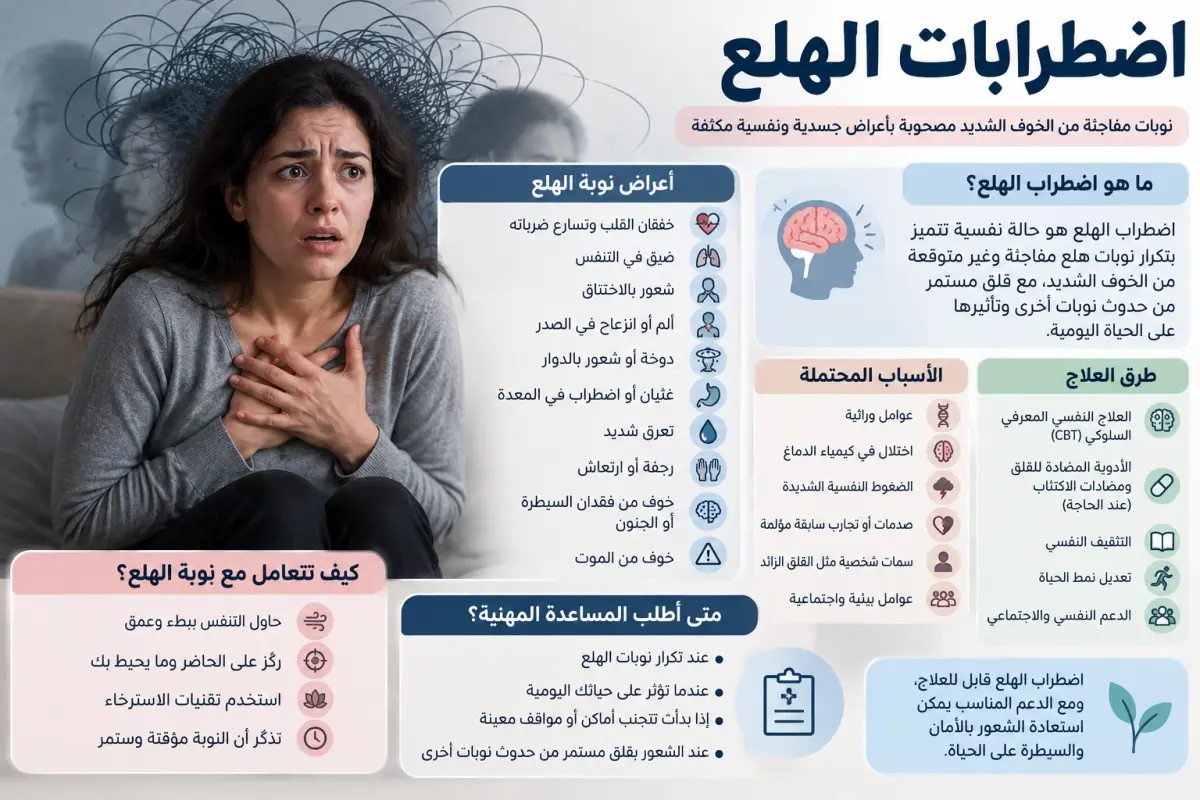
Panic Disorder: Symptoms, Panic Attacks, Causes, Treatment, and Coping Strategies
Panic disorder is an anxiety disorder characterized by recurrent panic attacks involving sudden, intense fear and physical symptoms such as a rapid heartbeat, shortness of breath, dizziness, sweating, trembling, or a feeling of losing control.
A panic attack may occur without an obvious external danger, which can make the experience extremely frightening.
However, experiencing one panic attack does not automatically mean that someone has panic disorder.
What Is a Panic Attack?
A panic attack is a sudden surge of intense fear or discomfort that generally reaches a peak within a relatively short period.
It may occur during a frightening situation, but panic attacks can also appear unexpectedly.
During the attack, the physical sensations may feel so strong that a person believes something dangerous is happening.
What Are the Symptoms of a Panic Attack?
Possible symptoms include:
Rapid heartbeat or palpitations.
Sweating.
Trembling.
Shortness of breath.
A feeling of choking.
Chest pain or discomfort.
Nausea or stomach discomfort.
Dizziness or light-headedness.
Hot or cold sensations.
Numbness or tingling.
Feeling detached from yourself or reality.
Fear of losing control.
Fear of dying or that something terrible is happening.
Symptoms and severity can vary from one person to another.
Are Panic Attacks Dangerous?
Panic attacks themselves can feel extremely frightening, but they do not necessarily mean that a physical emergency is occurring.
However, symptoms such as chest pain, shortness of breath, dizziness, and rapid heartbeat can also occur in medical conditions.
New, severe, unusual, or concerning symptoms should therefore receive appropriate medical assessment rather than automatically being attributed to anxiety.
What Is the Difference Between a Panic Attack and Panic Disorder?
A person may experience an isolated panic attack without developing panic disorder.
Panic disorder becomes more likely when panic attacks recur and the person begins to:
Worry persistently about having another attack.
Avoid situations because an attack might occur.
Change everyday activities because of fear.
Constantly monitor physical sensations.
For example, someone may begin avoiding:
Driving.
Shopping centers.
Public transportation.
Crowded places.
Travel.
Going outside alone.
Exercise because an increased heart rate feels frightening.
The problem can therefore become not only the attack itself, but also the fear of the next attack.
What Causes Panic Disorder?
There is no single explanation that applies to every person.
Several factors may contribute, including:
A tendency toward anxiety.
Ongoing psychological stress.
Difficult life experiences.
Heightened sensitivity to physical sensations.
Catastrophic interpretation of normal bodily changes.
Biological or genetic factors in some individuals.
For some people, the first attack appears during a period of high stress. Others cannot identify an obvious trigger.
Anxiety and Panic Attacks
Panic disorder belongs to the group of anxiety disorders, but persistent anxiety and panic attacks are not identical.
Anxiety may involve:
Excessive worrying.
Fear about the future.
Ongoing tension.
Difficulty relaxing.
Repetitive negative thoughts.
A panic attack usually involves a much more rapid and intense increase in fear accompanied by strong physical sensations.
Psychological Support for Panic Attacks in Amman, Jordan
Psychological counseling may help people understand the cycle of panic, fear, and avoidance and develop appropriate ways of responding to anxiety and physical sensations.
Panic attacks can feel intense and frightening, but understanding what happens during an attack can reduce some of the fear surrounding the experience.
Treatment focuses not only on managing individual attacks but also on reducing fear of future attacks and the avoidance that can develop around them.
When panic attacks recur or begin to interfere with everyday life, professional assessment and psychological support may help identify the problem and develop an appropriate treatment plan.
Disclaimer: This article is intended for psychological education and awareness only. It is not a medical or psychological diagnosis. New, severe, or unusual physical symptoms should receive appropriate medical assessment.
✦
Blogs
What is the Difference Between a Psychologist and a Psychiatrist? And When Should I See a Psychologist?
Many people go through problems, crises, and sometimes mental illnesses, and they get confused when thinking about seeking psychological treatment. Should they go to a psychiatrist or a psychologist?Both are trained in dealing with the mind and providing psychological care to patients, but each differs in the approach to treatment and the types of psychological problems they specialize in treating
Read MoreRead less
Here we will explain the main similarities and differences between a psychiatrist and a psychologist and answer this question.
First: The Main Differences Between a Psychiatrist and a Psychologist
1. Type of Education
The nature of education differs between a psychiatrist and a psychologist, but both require obtaining a masters degree.
Psychiatrists studied medicine for 7 years then specialized in psychiatry and received training for at least four years in hospitals and rehabilitation centers on diagnosis and approved therapeutic methods.
As for psychologists, they studied in the Faculty of Education or the Faculty of Arts in the Department of Psychology for 4 years, then received practical training in psychiatric hospitals for at least one year to obtain a professional license.
2. Psychological Problems Each Specializes In Treating
Psychiatrists specialize in critical mental conditions and mental illnesses such as schizophrenia, depression, obsessive-compulsive disorder, attention deficit disorder, and other mental illnesses that require treatment.
Whereas psychologists specialize in moderate or mild cases such as behavioral modification, sleep disorders, tension in emotional relationships, and other behavioral problems.
3. Prescribing Medication
Prescribing medication is the responsibility of psychiatrists alone because they work on both the psychological and biological levels at the same time, understanding the bodys nature and genetic history. They studied anatomy and the bodys response to medications in medical school in addition to their knowledge of the side effects of drugs.
Whereas psychologists are not allowed to prescribe or administer medication because they do not have sufficient knowledge of its biological effects and side effects.
4. Diagnosis and Treatment Methods
Psychiatrists provide comprehensive care for the patient as they focus on family and social support for the patient and their upbringing since childhood.
They may also request some types of tests and psychological measures to help with diagnosis. In cases where the patient suffers from an organic problem causing the psychological problem, the psychiatrist may resort to drug intervention alongside psychological and behavioral therapy.
Whereas psychologists rely on understanding the patients upbringing and its effect on their behavior. They offer some psychological tests and measures to help diagnose cases and rely on modifying the patients misconceptions and improving their mental state away from medication and medical examinations.
5. Practice
The ideal form of providing psychological service and care is that the first line is the psychiatrist, as they study the case and determine whether it is mild, moderate, or critical, then refer it to a psychologist.
If the cases are mild or moderate, they only require psychological treatment without drug intervention.
There are some critical cases where after the psychiatrist finishes the drug treatment, they may refer the cases to the psychologist to continue with psychological rehabilitation.
Second: What are the Similarities Between a Psychiatrist and a Psychologist?
After presenting the main differences between a psychiatrist and a psychologist, we will present the similarities between them:
1. Both are trained to understand the nature of the mind, thinking, and behaviors.
2. Both have the ability to provide counseling and psychological support.
3. Both improve and develop the patients thinking and behaviors.
Should I See a Psychiatrist or a Psychologist?
After presenting the main differences and similarities between a psychiatrist and a psychologist, we will answer the question most patients ask about which type of therapist to seek help from:
● You should see a psychiatrist if:
1. The condition is critical or when suffering from certain mental illnesses such as depression, schizophrenia, or obsessive-compulsive disorder, and other illnesses that require a specialist to request the necessary tests and scans and prescribe the appropriate medication.
2. The medical condition has persisted for a long time or has recurred after treatment.
3. Psychological rehabilitation alone is not effective, and medication intervention is needed.
4. You are considering harming yourself or suicide.
5. Your treating doctor recommends seeing a specialist psychiatrist.
● You will need to see a psychologist if:
1. You are experiencing anxiety, depression, psychological pressures, or other difficulties affecting mental health.
2. You feel that life is difficult and need psychological support to cope with it.
3. You need to assess your mental health if you feel it is not okay.
4. You are experiencing many marital problems and need help dealing with them.
5. Your child is experiencing behavioral and coping problems and needs behavior modification.
6. You have experienced an emotional shock or a painful loss and need support to overcome it in a healthy way.