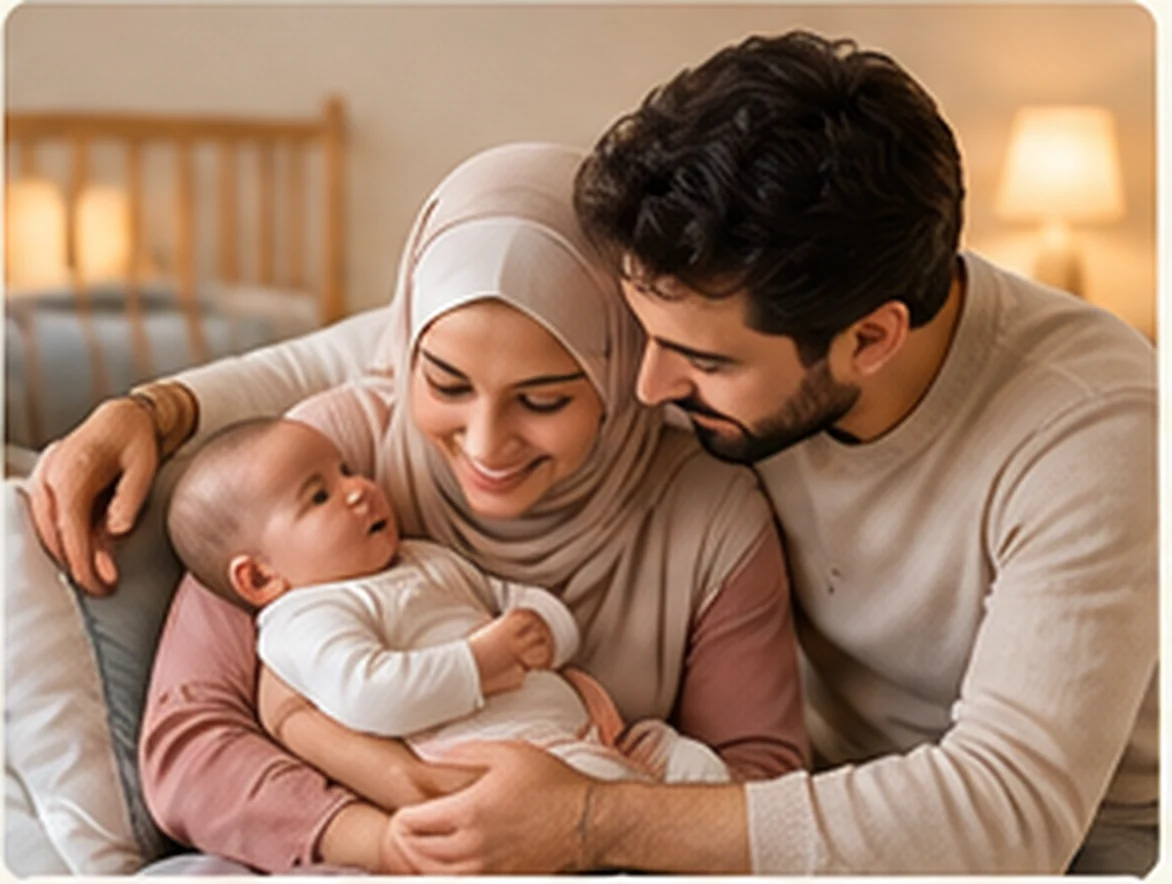
Marital Relationships and the Importance of Healthy Communication Between Spouses
Marital relationships are among the most important human relationships and require continuous communication, mutual understanding, and the ability to manage differences in a healthy way. Disagreements between spouses are normal, but the way these disagreements are handled determines how much they affect the stability of the relationship and the quality of shared life.
Psychologist Suha Abu Ghosh provides marital and family counseling services in Amman and Jordan, with the aim of helping couples understand their relationship, improve communication, and deal with challenges in a more balanced way.
What Helps Build a Healthy Marital Relationship?
Clear Communication Between Spouses
Good communication is not only about talking. It also includes listening and understanding the feelings and needs of the other partner. When spouses are able to express their feelings without constant blame or criticism, it becomes easier to deal with disagreements.
The American Psychological Association (APA) highlights the importance of open communication and spending quality time together in supporting healthy relationships.
Mutual Respect
Respect is a fundamental part of a healthy marital relationship. It includes respecting each partner’s feelings, opinions, and personal boundaries, even during disagreements.
Building Trust
Trust develops over time through transparency, commitment, and honest communication. When trust is affected, feelings such as doubt, anxiety, or insecurity may appear and influence the nature of the relationship.
Understanding Differences
Spouses are not expected to have identical ways of thinking, interests, or approaches to solving problems. Understanding these differences and dealing with them flexibly may help reduce unnecessary conflict.
What Can Weaken Marital Relationships?
A marital relationship may be affected by several factors, including:
-
Poor communication or repeated misunderstandings.
-
Financial or work-related pressures.
-
Different expectations and priorities.
-
Jealousy or loss of trust.
-
Accumulated problems that are not discussed.
-
Different ways of dealing with emotions.
-
An unbalanced distribution of responsibilities.
-
Psychological pressures such as anxiety and stress.
Psychological concerns such as anxiety and stress may affect how a person interacts with their partner. You can also read the article Anxiety: When Is It Normal and When Does It Become a Problem That Affects Your Life? to learn more about anxiety and its impact on daily life and relationships.
How Can a Marital Relationship Be Improved?
Set Aside Time for Conversation
It is important for spouses to make time to talk away from work pressures and daily responsibilities. Regular conversations may help both partners understand each other’s needs before small issues develop into larger disagreements.
Listen Without Interrupting
Active listening helps each partner understand the other person’s point of view and gives both spouses the opportunity to express their feelings without feeling ignored.
Avoid Discussing Issues During Intense Anger
When emotions are very intense, communication may become less effective. Taking some time to calm down before returning to the discussion may help create a more balanced conversation.
Express Needs Clearly
Instead of blaming the other partner, it can be more helpful to use statements that focus on feelings and needs, such as:
“I feel that we need more time to talk.”
This approach may help reduce defensiveness and improve communication between spouses.
When Can Marital Counseling Help?
Marital counseling may be helpful when disagreements become frequent or when spouses feel that they are unable to reach suitable solutions on their own.
Counseling sessions may help with:
-
Understanding the causes of repeated problems.
-
Improving communication and listening skills.
-
Managing anger and negative emotions.
-
Developing better conflict-resolution skills.
-
Rebuilding trust when needed.
-
Understanding the impact of psychological stress on the relationship.
-
Developing skills that support a more balanced relationship.
To learn more about the nature of these sessions, you can visit the marital and family counseling page.
Research published through PubMed indicates that there is scientific support for a number of evidence-based approaches used in couple therapy and marital counseling, although outcomes may vary depending on the nature of each case.
Marital Relationships and Premarital Counseling
Counseling is not limited to couples who are already experiencing problems. People preparing for marriage may also benefit from premarital counseling to discuss expectations, responsibilities, and communication styles before beginning married life.
This may help both partners understand each other better and prepare to manage future differences with greater awareness.
Marital Relationship Counseling in Amman and Jordan
If you are looking for marital counseling in Amman or a psychologist in Jordan to help improve your marital relationship, Psychologist Suha Abu Ghosh provides psychological support as well as marital and family counseling sessions according to the needs of each case.
You can learn more about the experience and qualifications of Psychologist Suha Abu Ghosh, and you can also explore all available psychological services on the website.
The goal of marital counseling is not to determine which partner is at fault, but rather to help both spouses understand the relationship more clearly and develop healthier, clearer communication strategies.
Trusted Sources
Disclaimer: This content is intended for psychological education and awareness only and should not be considered a diagnosis or a substitute for direct evaluation by a qualified professional.


 01